Let's Talk About Museum Branding
STEP 1: RESEARCH
Like any branding project, your exhibition logo design will tell a story. So the first step in the design process is defining and articulating that story. I use the following questions as a guide for
collecting and organizing this research into a cohesive narrative:
collecting and organizing this research into a cohesive narrative:
<banner>
What is the exhibition about? What tone should it set?
Is the exhibition playful or serious? Is it about science or history? Is it exploring one person’s work or a collection of ideas?
You title logo can be the first point of contact a visitor has with your exhibition. The way it looks should clearly reveal the tone of the show.
Who is the exhibition for?
Think about who will be in your space. Odds are you want to appeal to the largest group possible, but try to focus on a core group that would respond most to the content of the exhibition.
Age can be the most common difference we can introduce to design. An exhibition targeting children may be more playful than one that focuses on engaging with adults.
You may also want to keep in mind the level of familiarity a visitor may have with your museum or the exhibition subject matter. Are you expecting a lot of newbies for this show? That could affect how you want the title design to look.
Don’t underestimate the heavy-lifting your logo can do in prepping visitors before they even enter your space.
What’s the ultimate goal of the exhibition?
Is your goal to build upon what your institution has already done? Or is your goal to break into a new territory and engage with unfamiliar visitors? Defining clear goals for your exhibition can inform design decisions.
Is there any precedent?
Whether in culture or in your museum’s history, is there any visual precedent to connect with? Don’t reinvent the wheel when incorporating visuals your audience is already familiar with will jumpstart their understanding of what your new exhibition is about.
What time period is the content or subject from?
This is when I have the chance to get nerdy. If your exhibition is about a person or subject with historical content, find ways to introduce that to the exhibition logo design to give little unconscious cues about where this fits into history.
An easy way to place something into history is to research what typefaces were popular or what kind of printing techniques were developed and used during the time.
What framing elements will need to be included?
Always keep in mind the eventual lockup. Your Museum’s brand and any donor/sponsor information will appear next to your title in many instances. Each element: title, museum logo, donor info, should look great on its own and when viewed all together.
Now that you have the basics of your exhibit outlined, let's take a look at how to actually make a logo.
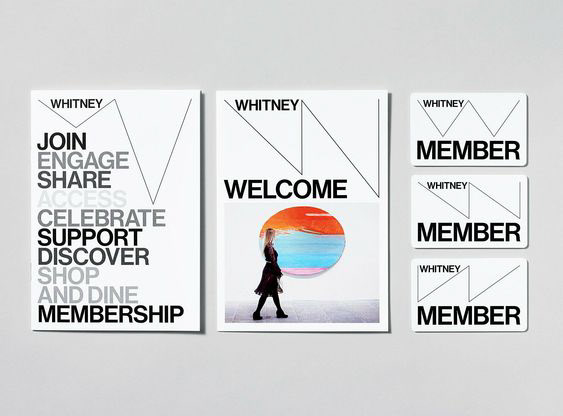
Examples of Museum Branding
The Whitney has one of the most distinct and recognizable brands due to its use of stark white and thin lines.
Statement from the Museum: "The [brand] is a distinctive and inventive graphic system that literally responds to art—a fundamental attribute of the Whitney since its founding in 1930. This dynamic identity, which the designers refer to as the “responsive ‘W’”, also illustrates the Museum’s ever-changing nature."
See the full brand case study from the design team at Experimental Jetset.
See more examples on my Museum Branding Examples Pinterest Board

Let's Talk About Museum Exhibition Branding
Just like it’s important to have a clear and recognizable style for your museum, it’s just as important to brand individual exhibitions and events. It's how your audience will recognize your efforts and messaging specific to the exhibit.
The visual footprint of your exhibition is most likely the first point of contact your audience will have to any show. They could see it on a poster, an ad in a community paper, or on the title wall in your space.
Having an exhibit brand can do quite a bit of heavy lifting in communicating what the exhibit is about and appealing to those that might be interested in coming. So, it’s important that it's clear and communicates the tone of the show.
Having a clear branding for your exhibition can jumpstart interest leading up to an opening. It can also communicate context for what the information or subject matter is and where it’s from. When used in the physical space itself, this branding can act as a guide to lead the viewer through the room and establish boundaries for the exhibition with signage or wall colors.

Examples of Exhibition Branding
This digital ad for the exhibit Right or Privilege? Alabama Women and the Vote shows the exhibit's main title design, two colors, and photo treatment. The exhibit explored the history of the 100+ years of voting rights activism in Alabama.
The brand was intentionally designed to combine old and new. A bold serif font was paired with a clean sans serif in the title. Colors in the campaign ranged from purples and golds used by the early twentieth-century suffragettes to the greens used during the 1960's Civil Rights initiatives. Colors were overlayed on black and white images to create a vibrant relationship between history and today.
See the full exhibit brand and more supplemental marketing material.

What Does It Look Like to Have an Exhibit Brand?
Let's imagine: Your museum is working hard to organize a new exhibition to open next year. You have all of your research and artifacts collected. Funds have been raised and final loans are being negotiated. Some of your biggest donors are on board for this, so you really want it to connect with your community and be a success.
Now think about how you want to spread the word. You’ll probably want to start early with teases about the show. Maybe run a few social media ads to raise engagement. Then you might put some posters up around town a couple months out and run a radio ad. An email blast to your members will invite them to RSVP to the opening. Postcards in the mail will reach snail-mail lovers.
And all of that is just leading up to the opening. The potential for your audience to hear about the exhibition from different sources is pretty big, and exactly what you need to drive interest. The best thing you can do is consider branding early on so that every message your audience gets is clear and consistent.

The Benefits of Museum Exhibit Branding
In the same way that it's important for your museum's brand to be engaging and recognizable, it's equally important for the exhibits and events in your space to also have a distinct voice.
A clear and consistent brand will:
1. Create a clear story for your audience to engage with
2. Consistently promote your museum in a professional way
3. Help spark interest by visually describing the tone and content of your exhibit
4. Save you time! In all of your marketing pieces, you will never need to start from scratch to create a new promotional graphic.

Now that you have the basics of your exhibit outlined, let's take a look at how to actually make a logo.